Realism & quality
- Ultra-realistic photo output in Telegram
- Typical processing ~15 seconds
How AI Photo Generation Works
A source-photo generator analyzes the visible face, pose, composition, and lighting, then synthesizes a new image; it does not uncover a hidden original. That is why a clear source produces a more believable result than a compressed photo with a blocked pose or several people. In Nuderr AI the practical workflow is simple: confirm 18+ consent, upload the source in Telegram, and receive the private result in about 10–15 seconds. New users can test the pipeline with 3 free photo generations.
First, the system prepares the upload and extracts useful visual structure: the face, pose, subject boundaries, color, light, background, and texture. These signals condition the generation. They do not reveal exact details that are absent or hidden in the source.
Next, a generative model synthesizes a new image that tries to satisfy the requested transformation while remaining consistent with those signals. Multiple internal steps refine broad structure into finer detail. The final result is selected or decoded into an ordinary image and returned to the interface—in Nuderr AI, the private Telegram chat.
Quality depends on both model capability and source evidence. Clear identity, visible anatomy, even light, and clean boundaries reduce uncertainty. A dark screenshot with several faces forces more estimation. The output is synthetic and should be treated as such, used only with explicit consent from adults 18+.
This topic is also searched as "clothes removal"; in Nuderr AI it always means a private synthetic edit of an authorized adult 18+ photo, never permission to publish or misrepresent the result.
The service reads and normalizes the uploaded image for model processing.
Identity
The model constructs new pixels consistent with the task and available evidence.
The output becomes an image you can evaluate against the source.
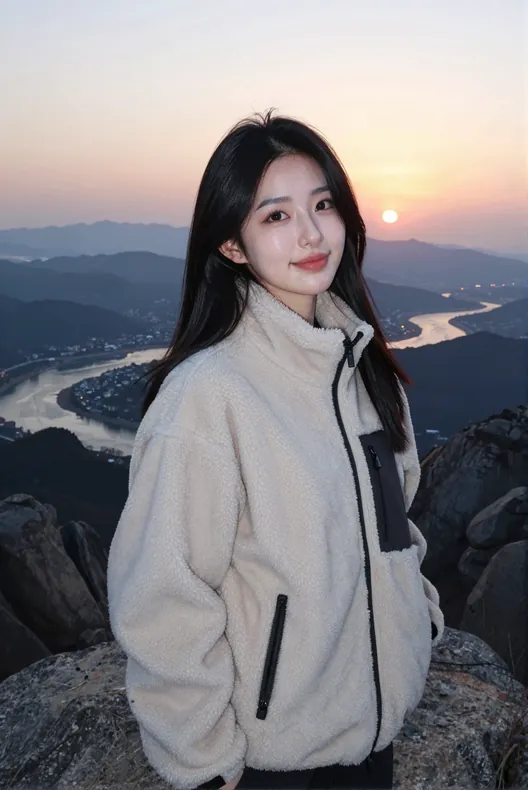 Before
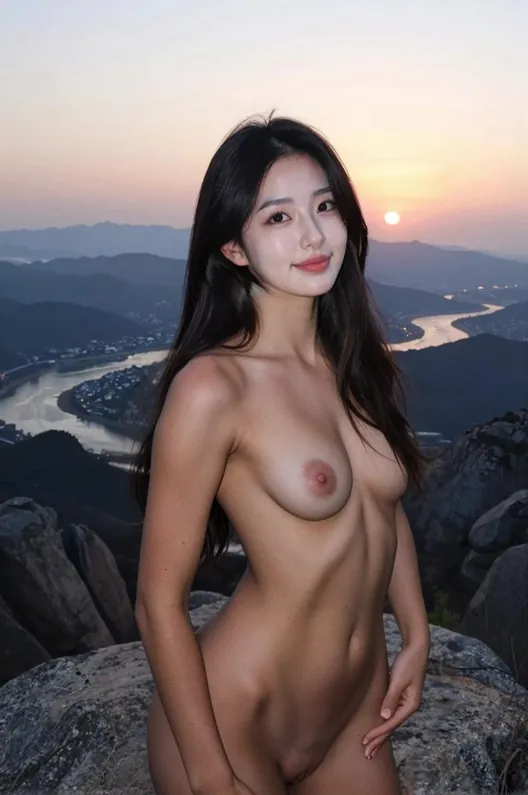 After
After
When source information is hidden, the model estimates a plausible alternative; it does not retrieve a factual version from beneath clothing or an obstruction. This is why every result is synthetic and why the same source may produce variations.
Each missing cue increases the space of plausible outputs. Clear face and pose reduce identity and anatomy uncertainty; even lighting reduces shadow uncertainty; a high-quality original reduces texture and edge uncertainty.
No. It synthesizes a new image from visible patterns and learned representations; it does not recover an exact hidden original.
Generative systems estimate among multiple plausible outputs
Visible identity
Better sources reduce uncertainty around identity
Yes. Use it only with adult consent and for private personal entertainment; do not publish
Use one clear authorized adult image and review the synthetic output privately for personal entertainment; never present it as a real photograph.
Open Nuderr AI