Photo tips for better results
- Visible body with clear pose
- Even, natural lighting
- Single face clearly visible
- High-quality source photo
How AI Undresser Works
AI undresser models analyze pose, visible proportions, lighting, and facial features, then generate a new synthetic image that fits the source scene. Nuderr AI turns that pipeline into three actions in Telegram: confirm 18+ consent, upload a clear photo, and receive the result in about 10–15 seconds. Your first 3 photo generations are free.
At a high level, AI undresser tools are specialized image generators. They take a source photo as input and produce a new image that attempts to match the original person's pose, lighting, skin tone, and environment — while changing what is visible on the body.
Unlike traditional editing software that manually erases layers, modern systems use machine learning models trained on large image datasets. The model does not recover hidden pixels from the file. It estimates structure and appearance, then synthesizes plausible new detail.
That distinction matters. When generation fails, it is usually because the model misread pose, lighting, or overlapping elements — not because it "could not find" the original data underneath.
People may describe this workflow as "deepfake", but the practical rule stays the same: use only an authorized image of a consenting adult and keep the synthetic output private.
The process begins by scanning the uploaded photo. The system identifies the subject, estimates body proportions, detects pose, and maps visible areas such as face, arms, legs, and skin already exposed in the frame.
Before generating anything new, the model predicts what is likely underneath covered areas. It uses context from visible anatomy, fabric shape, shadows, and perspective — not stored data about the specific person.
The neural network synthesizes new visual information for predicted regions. Modern tools like Nuderr AI aim for natural skin texture, consistent shadows, and believable anatomy rather than flat or obviously AI-filtered patches.
The output is refined to blend edges, align color tones, and reduce visible seams between generated and original areas. On Nuderr AI, the finished image is delivered privately inside Telegram — no public gallery or dashboard required.
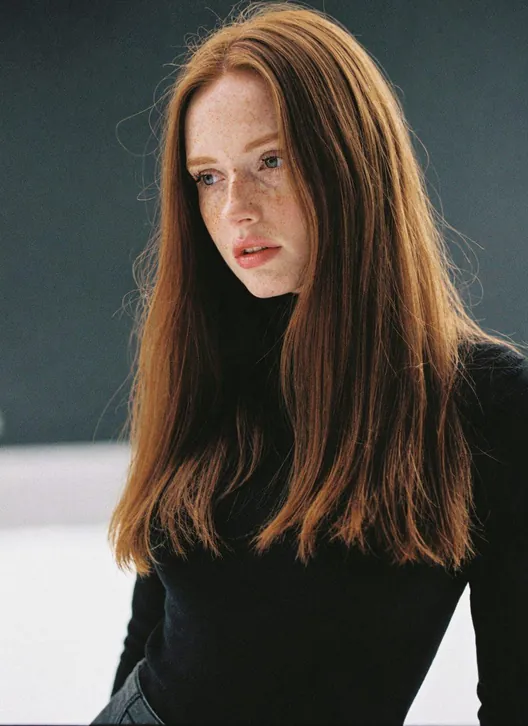 Before
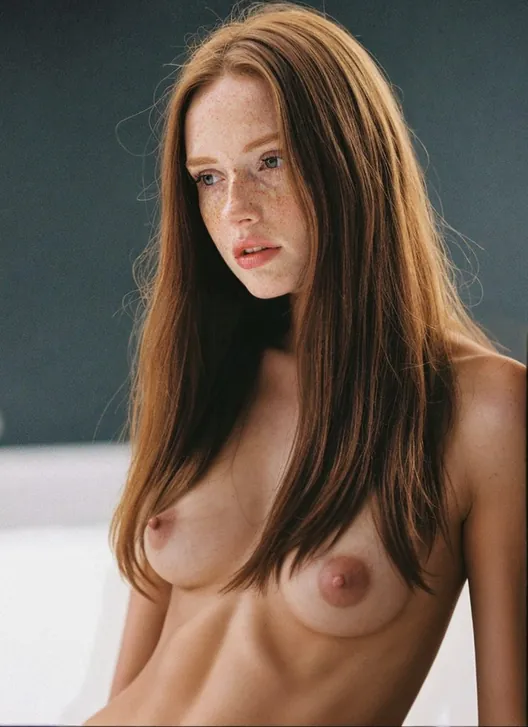 After
After
AI models work from visible evidence. The clearer the source photo, the more accurate the analysis and prediction stages become — and the more believable the final generation.
Even lighting helps the model read skin tones, shadow direction, and body structure. Photos taken in soft daylight or well-lit indoor scenes usually outperform harsh shadows or heavy filters.
Hands remain one of the hardest problems in AI image generation. Fine finger detail, overlapping hands, and complex poses increase the chance of visual artifacts because the model has less reliable structure to predict from.
Bulky accessories, wide bags, large hats, and heavy face coverings reduce the amount of visible context the model can use. Less context means more guesswork during generation.
Compression, blur, noise, and very low resolution make it harder for the analysis stage to detect edges, skin texture, and lighting. That uncertainty often shows up as smeared detail or inconsistent tones in the output.
An AI undresser is a category of AI image generator focused on transforming clothed photos into alternate renderings where more of the body is visible. It is not a magic "reveal" tool — it is a prediction and synthesis system.
Different products wrap the same core idea in different workflows. Some use browser dashboards; others, like Nuderr AI, run entirely inside Telegram for a faster mobile experience.
Neural networks do not see photos the way humans do. They convert images into numerical features — edges, color regions, depth cues, and learned patterns from training data — then reason about what those features imply.
For undresser tasks, the model combines visible anatomy with statistical patterns about how bodies, fabric, and lighting usually interact. That is why two photos of the same person can produce very different results if pose, light, or obstructions change.
Better models reduce obvious seams between generated and original regions, preserve facial identity more consistently, and handle overlapping hair or clothing with fewer artifacts.
Realism is not just aesthetics. When lighting, skin tone, and anatomy stay consistent with the source photo, the output feels coherent rather than pasted-on.
Unrealistic generations often trace back to failures in the analysis or prediction stages — wrong shadow direction, mismatched skin color, or distorted proportions — not just the final render step.
For many users, believable output is the main signal that the underlying model understood the photo correctly.
The underlying AI pipeline is similar across many platforms, but delivery matters. Telegram removes friction from account creation, app installs, and desktop-only dashboards.
With Nuderr AI, the full workflow — upload, processing, and delivery — happens inside a private chat. Most generations complete in approximately 10–15 seconds, and new users can start with 3 free generations after opening the bot.
AI undresser technology is fundamentally a generation pipeline — analyze, predict, synthesize, refine — not a simple erase tool. Understanding that helps set realistic expectations about quality and variation between photos.
If you want to see the pipeline in practice, start with a clear, well-lit photo and a platform built for fast private delivery. Nuderr AI runs the full workflow inside Telegram with realistic rendering priorities and quick turnaround.
Modern tools analyze the source photo, predict likely appearance under clothing using learned patterns, generate new image regions with a neural network, then blend and refine the output. They synthesize new visual information rather than recovering hidden pixels from the file.
No. It does not erase clothing layers like manual editing software. The model estimates body structure and lighting context, then generates new detail that fits the scene. That is why quality depends on pose, lighting, and visible cues in the original photo.
The model relies on visible evidence — pose, lighting, skin already shown, and obstructions. Hands, large accessories, blur, and heavy shadows reduce reliable context, which increases guesswork and artifacts in the generated areas.
Processing time depends on the platform and queue load. On Nuderr AI, most generations complete within approximately 10–15 seconds after you upload a photo in Telegram.
Yes. Several modern tools, including Nuderr AI, run the full workflow inside Telegram — upload, processing, and private delivery in chat. New users on Nuderr AI receive 3 free generations to try the pipeline.
Now that you understand how AI undresser technology works — from image analysis to final delivery — you can test the pipeline yourself with clearer expectations. Nuderr AI combines realistic rendering, fast 10–15 second processing, and a private Telegram workflow. New users start with 3 free generations.
Open Nuderr AI